Paperwork Before Pilot: What a Council Purchase Order Teaches a First-Time Founder
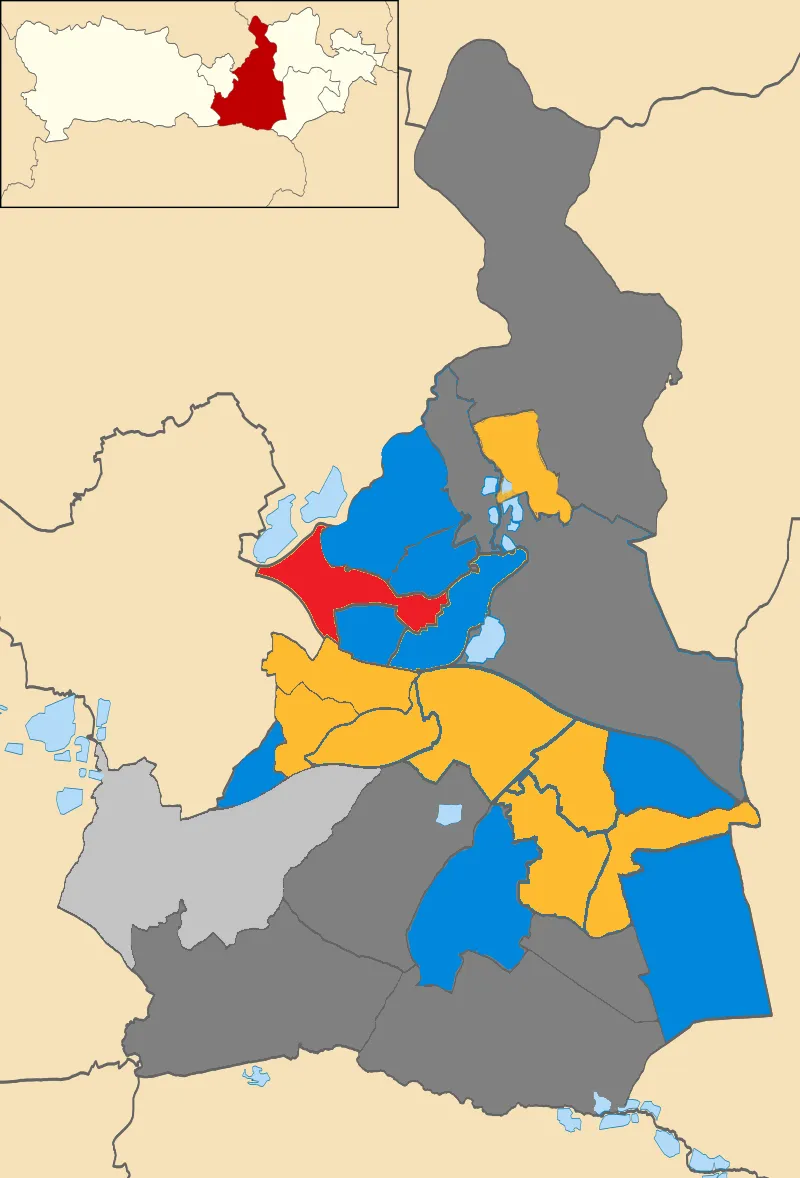
Photo: Fluffball70, CC BY-SA 4.0, via Wikimedia Commons
The first meeting with a council can feel like a breakthrough. You demo the product, the room nods, someone says the phrase 'this is exactly what we need', and you leave imagining the logo on your website. Six weeks later you are still waiting for a purchase order, wondering whether the deal was ever real.
It probably was real. It just was not a deal yet. Public-sector buying has its own weather system, and a startup that has only sold to private companies will find the forecast confusing. The good news is that the sequence is learnable. The better news is that you can rehearse most of it before the first meeting.
The sequence nobody puts on the pitch deck
The simplified version goes like this: problem meeting, budget check, procurement route, due diligence, purchase order, delivery, invoice, payment. The real version has more steps, more people, and more waiting. But that is the spine of it.
The problem meeting is where you establish that the council has a problem worth spending money on. The budget check is where you find out whether the money exists in this financial year, next financial year, or a grant with a deadline. The procurement route is where you discover whether they can buy from you directly, through a framework, or through a competitive process that takes months.
Due diligence is where the paperwork arrives: insurance, data protection, security, accessibility, safeguarding, financial standing, social value. The purchase order is the bit that makes it official. Delivery and invoice are where you discover that public-sector payment terms are not the same as a Stripe checkout.
Where deals actually stall
Most stalls happen because a founder assumes an enthusiastic meeting is a committed buyer. It is not. A council officer can love your product and still have no budget, no procurement route, and no authority to sign. The question to ask early is not 'do you like it?' but 'how would you buy it?'
Another common stall is the pilot. Founders often propose a small pilot to sidestep procurement. Sometimes that works. Often it does not, because even a small pilot needs a purchase order, a data protection agreement, and someone to own the risk. A council cannot simply put a few hundred pounds on a card and see how it goes.
A third stall is the assumption that the council is one buyer. It is not. Adult social care, children's services, housing, IT, procurement, legal, and finance may all have a say. The person who loves your product may be the person with the least budget. The person with the budget may never attend the demo.
The framework is the front door
Many councils buy through frameworks: pre-approved lists of suppliers that have already been through a selection process. If you are not on the relevant framework, you may still be able to sell directly, but the route is narrower and slower. If you are on it, you have a shortcut that is worth understanding before you start knocking on doors.
Find out which frameworks the council actually uses. Check whether your product category is covered. Look at the lot structure, because a framework may cover 'software' in one lot and 'consultancy' in another. Ask the procurement team which route they would recommend for a product like yours. That is not a silly question. It is the question that saves three months.
Budget cycles have a pulse
Local authority budgets run on a financial year, not a calendar year. Money often gets committed early, spent carefully, and then guarded as the year-end approaches. A conversation in February can be very different from the same conversation in April. A grant-funded project may have a hard deadline. A new initiative may be waiting for a committee decision.
Ask when the budget was approved, when it needs to be spent by, and who signs it off. If the answer involves a committee date, put it in your calendar. If the answer involves 'we will know after the next financial settlement', you have just learned that the deal is not a launch-week deal.
Rehearse public-sector readiness
Before the first meeting, build a small readiness pack. It does not need to be glossy. It needs to answer the questions that will otherwise slow you down.
Start with insurance. Councils will ask about public liability, professional indemnity, and employers' liability if you have staff. Check your levels against what they typically require. Next, data protection. Have a draft data processing agreement, a record of what personal data you touch, and a clear answer on where it is stored. Then security: a short description of your hosting, access controls, backups, and incident process. Accessibility matters too, especially for public-facing services. If you have a VPAT or an accessibility statement, bring it. If you do not, say what you are doing about it.
Social value is another one. Many public-sector buyers want to know what you will contribute beyond the product: local jobs, apprenticeships, environmental commitments, community support. A two-page note is better than a blank stare.
The invoice is part of the product
A purchase order is not the finish line. Councils need to pay against a valid invoice, with the right purchase order number, the right supplier details, and the right VAT treatment. If your invoicing process is a founder sending a PDF from a personal email, fix it before the first PO lands.
Ask about payment terms early. Thirty days is common; some bodies take longer. Ask what format they need, who receives it, and what happens if something is wrong. A delayed payment is not just a cash-flow annoyance. It is a signal that your back office is not ready for public-sector work.
What the paperwork is really testing
A council purchase order is not just bureaucracy. It is a test of whether your startup can be a reliable supplier. Can you answer questions clearly? Can you provide evidence? Can you deliver what you promised without creating risk for the buyer? The founders who pass that test are the ones who treated procurement as part of the product, not an obstacle after it.
So rehearse it. Find the framework. Map the budget cycle. Build the readiness pack. Learn how the invoice gets paid. The first meeting may still feel like a breakthrough, but the purchase order is where the real learning starts.