Three Boxes, Three Postcodes: The Delivery Rehearsal UK Founders Run Too Late
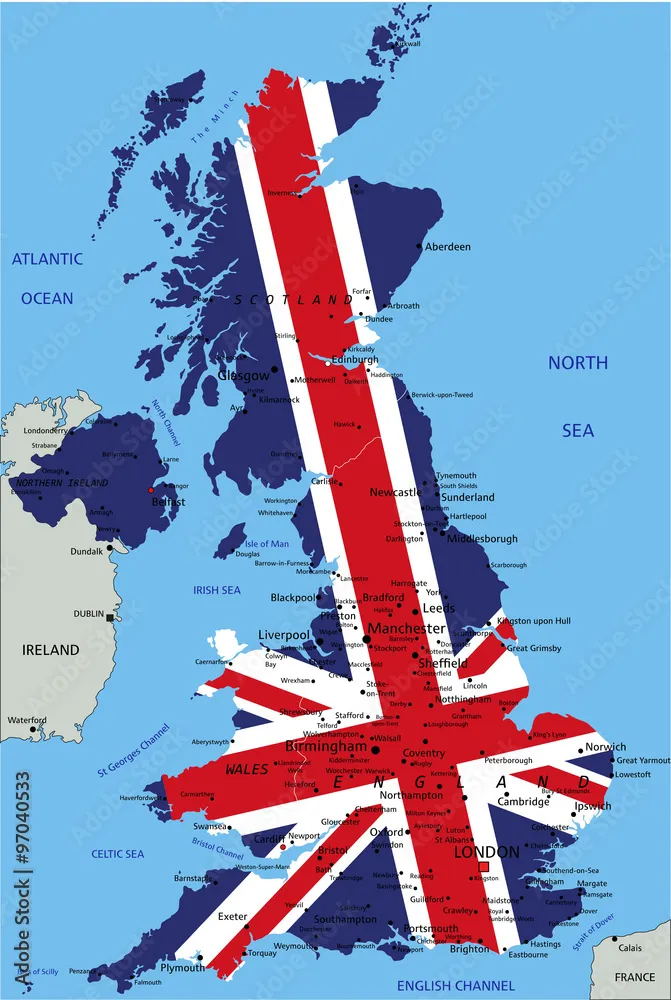
Photo: UK parcel delivery van postcodes cardboard boxes sorting office, via as2.ftcdn.net
There is a moment in every UK launch when the product stops being software and becomes a cardboard box. You have tested the checkout, the confirmation email, the refund flow. Then the first real order arrives from a village outside Aberdeen, and you discover that the words 'free UK delivery' on your launch page have a second meaning you did not write.
Delivery is not an operational detail bolted onto the product. It is a product feature printed in bold on your homepage. And like any feature, it deserves a rehearsal before the ads go live.
Put the courier in the pre-launch meeting
Most founders treat carriers as a procurement decision: pick two, compare the rate card, move on. But the carrier sets the edges of what you can honestly promise. If your homepage says 'next-day delivery' and your network needs two days to reach Northern Ireland, you have not made a logistics error. You have made a claim you cannot keep.
There is also a legal floor to stand on. Under the Consumer Rights Act 2015, if you have not agreed a delivery date, goods must arrive within 30 days. Under the Consumer Contracts Regulations 2013, distance buyers get 14 days to cancel from the day the goods arrive, and you must refund within 14 days of receiving the goods back or evidence they were returned. Who pays for the return depends on what you told them before they clicked buy. None of this is exotic. It is just easier to read in a tab when you are not also answering a customer who has been waiting since Tuesday.
The mock day: three orders, three quiet failures
Imagine it is Tuesday 17 November 2026, a week before the Black Friday rush. Your ads switch on at 09:00. By lunch, three orders have landed. None of them are difficult. All three are inconvenient.
Order one: London N1
A 1.2kg parcel, £38 order value, promised next-day. Your carrier's next-day cutoff is around 16:00 for a collection from your unit, but your local drop-off point closes at 17:30 and the last van leaves earlier than the rate card suggests. You pack it at 16:40. It goes out tomorrow. The customer paid for next-day and gets a tracking link that says 'we've got it' for 26 hours.
Fix: either move your cut-off promise to 14:00 or book a collection. Then rewrite the line on the product page from 'order before 4pm for next-day' to the time you can actually hit with a margin for error.
Order two: rural Aberdeenshire, AB36
A 1.8kg parcel. Same product, same price, same 'free UK delivery' promise. Your parcel network applies a remote-area surcharge of £12 to £18, depending on the carrier, and adds a day. Royal Mail, by contrast, prices most parcels uniformly across the UK, which is why it looks expensive on a London-to-London comparison and suddenly reasonable when you post to the Highlands.
This is the point where founders discover that 'UK mainland' is doing a lot of unpaid work on their website. If you exclude the Highlands and islands from a free-delivery promise, say so clearly before checkout. A footnote after purchase is not a term; it is an argument.
Order three: Belfast, BT7
Northern Ireland is part of the UK. Your site says UK. The customer reasonably expects the same deal as Manchester. Some parcel networks treat BT postcodes as a two-day lane with a small surcharge; Royal Mail treats them as domestic. Either is fine as long as your page, your checkout and your support script tell the same story.
The failure mode here is not the extra £4. It is the customer reading 'free UK delivery' and then seeing a £4.95 surcharge appear at checkout. That is a trust problem dressed as a pricing problem. If you must surcharge, show it in the delivery matrix before the basket, not after the card details.
The returns label is the second purchase
A first-time buyer who returns something is not a lost sale yet. They are a person deciding whether your brand is easy to deal with. A pre-paid returns label costs you £3 to £5, and it is often the cheapest customer-retention tool you own. But it has to exist before the first return, not after.
Test it. Print it. Check that the QR code scans at a Post Office counter. Check that the return address is the one your warehouse team actually checks. Write the refund timeline on the returns page in plain English: 'We refund within 14 days of receiving the item back.' Then make sure your support team can see the same number.
What to write down before 09:00
A delivery rehearsal is mostly a spreadsheet exercise with one cardboard box on the desk. Build a simple matrix: service, weight tier, cutoff time, postcode exclusions, surcharge, promised transit time. Then fill in the real numbers for one city address, one rural address and one Northern Ireland address. The gaps will be obvious.
Three practical rules:
- Weigh the packed box, not the product. Dimensional weight catches founders who sell something light and bulky. A 40cm box with 900g of product can bill as 2kg.
- Publish the postcode reality. A short table beats a paragraph of terms. If BT, AB, PH, IV, KW, PO30-41, IM and the Channel Islands behave differently, say so. Jersey and Guernsey are not UK for VAT purposes either, which is a separate conversation worth having before you ship there.
- Script the awkward question. 'It said next-day but the tracking hasn't moved' deserves a human answer, not a copy-paste of the carrier's status page. Give support a line that acknowledges, explains and offers a next step.
The courier has veto power
You can launch without a perfect carrier contract. You cannot launch with a promise your carrier cannot keep. The three-box rehearsal takes an afternoon, costs a few pounds in postage, and surfaces the exact sentences on your launch page that will otherwise be rewritten by angry emails in December.
Pack the boxes. Walk them to the counter. Then change the website before the ads do the talking.